The courtyard and individual faces are imaginative. The two standing travelers and listening brothers visualize the teaching encounter reported in Acts 15:1. The rolled parchment suggests their appeal to Mosaic custom without invented writing. Circumcision is not pictured; the teachers' claim that it was necessary for salvation is explained in the verse note, not endorsed by the composition.
The central pair imaginatively represent Paul and Barnabas in the substantial debate. The older man's gesture suggests the appointment of a delegation to seek counsel, without showing the later Jerusalem meeting or a settled answer. Faces, clothing, and courtyard are imaginative conventions, not historical likenesses or archaeological certainty. Artwork remains pending human review.
This imagined gathering focuses on the report and the joy it brings during the journey through Phoenicia and Samaria. Satchels suggest travel; the listeners' glad faces express shared rejoicing. The verse does not specify this courtyard, exact participants or appearances. The Gentiles' conversion is reported, not pictured. Artwork remains pending human review.
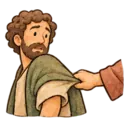
The welcoming hands and attentive gathering imagine the church, apostles and elders receiving the visitors in Jerusalem as they report what God had done with them. The courtyard, faces, clothing and gestures are imaginative conventions; the verse does not specify them. No particular miracle or visible divine figure is depicted.
The standing speakers imaginatively represent believers from the Pharisees voicing their demand; the seated listeners convey a hearing rather than agreement. Circumcision is not pictured. Faces, clothing and the meeting place are artistic conventions, and no figure is identified as Moses, Jesus or a named apostle. Human artwork review remains pending.
The attentive gathering illustrates the apostles and elders coming together to consider a matter. The faces, clothing, room and gestures are imaginative conventions, not historical likenesses or an exact census. The verse does not specify a speaker or a decision; the open hand suggests deliberation without depicting its outcome.
Peter rising to address his brothers is pictured by the standing speaker and attentive seated gathering. The faces, clothing and stone room are imaginative conventions, not historical likenesses. His account of the Gentiles hearing and believing is recalled in his speech rather than shown as a separate event. No divine figure is depicted.
This imagined gathering reflects the same gift of the Holy Spirit to them and to us. Shared daylight and grateful open hands suggest fellowship and equal reception; the light is an artistic analogy, not a visible portrayal of the Spirit. The people and courtyard are imaginative, without named portraits or a claim to reconstruct the event.
This imaginative gathering suggests Jewish and Gentile believers together at the same level under shared natural light. Prayerful expressions and a hand over the chest point to faith and inward cleansing. The verse does not describe this courtyard gathering or a physical washing.
The unused yoke is an imaginative rendering of the verse's burden metaphor, not evidence that a physical yoke was present. Its heavy beam and empty neck bows point to the burden the verse says neither the ancestors nor the present generation could bear. The courtyard is imagined; God and the ancestors are not portrayed.
This imaginative first-century gathering reflects the shared confession of salvation through the Lord Jesus' grace. Adults seated together on equal footing suggest 'we' and 'they' receiving salvation in the same way. The courtyard, faces, clothing and gestures are artistic choices, not details asserted by this verse; ordinary sunlight does not depict grace literally. Jesus is not shown.
This imaginative gathering depicts the silence and listening in the verse, with Barnabas speaking beside Paul. The signs and wonders among the Gentiles are the subject of their testimony, not events occurring in this room. Faces, clothing and architecture are artistic conventions, not historical likenesses or a verified setting. God is not depicted. Artwork remains pending human review.
The seated speaker represents James beginning his reply after the others become silent. His open hand and the listeners' attentive poses picture his request that the brothers hear him. Faces, garments, seating and the room are imaginative conventions, not historical likenesses or details specified by the verse.
This imagined gathering gives visible form to a people taken from the Gentiles for God's name. The figures are unnamed, and their prayerful gestures suggest belonging and gratitude; the verse does not specify this courtyard or these actions. God is left unpictured. The scene does not portray Simeon's report as a reconstructed event.
The gathered scrolls form an imaginative still life for the prophets' written testimony and its agreement with what has been stated. Shared sunlight visually unifies the manuscripts. The unlettered surfaces avoid inventing the quotation; the room, flowers and vessels are artistic setting details, not claims made by the verse. No prophets or historical meeting are depicted.
The upright, patched tent and rebuilt stone base picture the promised restoration of David's fallen tent. Scattered stones and broken timber recall its former ruin. This is an imaginative visual meditation, not a reconstruction of David's dwelling or an event witnessed in Acts; God is not pictured.
This imagined gathering represents the remnant of humanity and people of the nations seeking the unseen Lord. Their varied appearances and shared prayer suggest the breadth of the promise and belonging to His name. The courtyard and paths are illustrative choices, not a recorded event or an identified historical site. No visible figure stands for the Lord.
The unlettered scroll is an imaginative image of knowledge, while the aged olive tree and receding hills suggest the passage of ages. These objects are not named in the verse. The composition is a visual meditation, not a recorded event or a portrayal of God.
This imaginative discussion illustrates the speaker's considered judgment not to trouble Gentiles turning to God. His open palms and the listeners' attentive expressions suggest compassionate deliberation. The verse does not specify these faces, clothes or furnishings; they are artistic conventions. The Gentiles under discussion are not added as attendees, and God is not depicted.
The letter-writing setting illustrates the proposal to send instructions requiring abstinence from idol pollution, sexual immorality, meat from strangled animals, and blood. The unnamed men, blank papyrus and courtyard are imaginative conventions, not a documented scene or historical likeness. The prohibition is conveyed indirectly through sober counsel.
This imagined Sabbath gathering illustrates the public reading of Moses' writings. The anonymous reader is not Moses, and the different ages suggest a practice handed down through generations. The verse names no particular city, room, or listeners; their appearance and setting are illustrative conventions.
The two men in ochre and blue-gray imaginatively represent Judas Barsabbas and Silas, chosen by the gathered church; the men in russet and olive represent Paul and Barnabas, their companions to Antioch. The courtyard, faces, clothing and gestures are artistic choices, not historical likenesses. This pictures the assembly's shared decision, not their arrival in Antioch.
The scroll and gathered men imaginatively represent the written greeting from the apostles and elders. The visible papyrus is left without lettering. Faces, clothing, room and arrangement are illustrative conventions, not identified historical portraits or a reconstruction. The named recipients and places belong to the verse; the scene does not map those places or portray every recipient.
This imaginative gathering evokes "we have heard": two believers report distress while two older listeners receive it with concern. The troublemakers remain absent. The verse supplies the statement that those speakers had received no instructions; no gesture alone proves that denial. The people, clothing and courtyard are imagined, not historical likenesses or a documented reconstruction.
The shared attention and welcoming gestures imagine the united decision to send chosen men with beloved Barnabas and Paul. The two central men represent the chosen messengers; the russet- and blue-cloaked companions represent Barnabas and Paul. Faces, clothing, gestures, and courtyard are imaginative details, not historical likenesses or particulars stated in this verse.
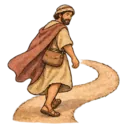
The companions' steady steps and reassuring gesture suggest shared courage, while the rugged road above a ravine evokes the risk borne by men devoted to the name of the Lord Jesus Christ. This is an imaginative meditation on their commitment; the verse does not specify this journey, landscape, gesture or appearance.
The imagined gathering illustrates the purpose of sending Judas and Silas: they will personally communicate the same report by word of mouth. One messenger speaks while his companion stands beside him. The verse announces their sending and purpose; the faces, clothing, courtyard and meeting arrangement are artistic choices, not source-specified details.
This imagined gathering of believers evokes communal discernment and the care expressed in imposing no further burden beyond necessary things. The blank parchment suggests their communication without inventing its wording or listing the requirements. The faces, garments and setting are artistic conventions, not historical likenesses or an eyewitness scene. The Holy Spirit remains unseen.
This imaginative meal illustrates attentive reception of the verse's counsel and careful fellowship; the verse does not narrate this gathering. The letter connects the scene to its concluding farewell. The four prohibitions remain explicit in the explanation rather than being enacted. The simple foods do not imply a command to avoid all meat, and the people and setting are imaginative conventions.
The central handover pictures the delivery of the letter to the congregation gathered in Antioch. The faces, clothing and courtyard are imaginative details, not historical likenesses or a verified location. The folded letter shows no writing; the scene does not illustrate its contents or the later response.
This imaginative gathering connects the act of reading with shared joy at encouragement. The papyrus and household courtyard give the reading a concrete setting; the verse does not specify these faces, gestures, garments, or architecture. The people are unnamed, and their appearance is an artistic convention rather than a historical likeness.
The two central men imaginatively represent Judas and Silas, both prophets. The open speaking hand and attentive, hopeful listeners express their lengthy encouragement and strengthening of the brothers. The verse does not specify their appearances, clothing or meeting place; these courtyard details are artistic conventions, not historical evidence.
Two travelers receiving a warm farewell visualize being sent away in peace. The road suggests their return to those who sent them; the senders are not shown. The faces, clothing, courtyard, gestures and number of onlookers are imaginative choices, not details specified by the verse. Artwork remains pending human review.
Paul and Barnabas are imagined among other teachers and listeners in Antioch, expressing their continuing work of teaching and proclaiming the Lord's word. The courtyard, garments, faces and scroll are illustrative choices, not details supplied by the verse or verified historical likenesses. No divine figure is depicted.
Paul and Barnabas are imaginatively shown considering the return visit Paul proposes. Their attentive conversation expresses concern for the believers; the road and distant buildings suggest the cities to revisit, without depicting the visit as already happening. The courtyard, belongings and appearances are artistic conventions, not details supplied by the verse or historical likenesses.
Barnabas is imagined considering room for John Mark through his open gesture and an extra travel satchel. The verse records his desire to take this one companion, known by both names, along. The courtyard, appearance, gesture and baggage are artistic teaching choices, not details supplied by the verse. John Mark is not shown, and no departure or agreement is claimed. Pending human artwork review.
Paul's raised hand and travel bag imaginatively connect his refusal to take the former companion with the work ahead. His appearance, courtyard and travel props are artistic conventions; the earlier departure from Pamphylia is not shown. The scene illustrates Paul's judgment without claiming divine condemnation or explaining the other man's motives.
The imagined departure places Barnabas and Mark together aboard the boat, separated by water from their former companion. Their sober expressions and turned bodies evoke the sharp disagreement and parting; the boat represents their voyage to Cyprus. The harbor staging, faces, ages, and clothing are artistic conventions, not details specified by the verse, and the image assigns no blame.
Paul and Silas are imagined departing together while fellow believers commend them to the Lord's grace through prayer. The elder's hand and the others' prayerful gestures visualize that trusting farewell. Their appearances, garments, courtyard, landscape and morning light are imaginative details; the verse does not specify them. The Lord is not depicted.
The imagined roadside gathering represents the strengthening of churches during the journey through Syria and Cilicia. Attentive listeners and the traveler's gentle gesture suggest encouragement; the road and satchel suggest continued travel. The verse does not specify this courtyard, these listeners or this moment. Faces, clothing and setting are imaginative conventions, not historical likenesses or a documented stop.