Paul's steady gaze and respectful open hand picture his address to the council; the hand on his chest suggests his testimony about a good conscience before God. The chamber, clothing and individual faces are imaginative historical staging. The illustration does not portray God or claim to establish Paul's sinlessness. Human artwork review remains pending.
Ananias's pointing gesture and the attendant's raised hand imagine the order to strike Paul on the mouth, showing the moment before contact. This indirect composition conveys the threatened violence while preserving Paul's dignity. Faces, clothing and chamber details are imaginative conventions, not verified historical likenesses or architecture.
Paul's open hand faces the seated judge's commanding gesture, picturing his challenge to unlawful judgment. The attendant suggests the order to strike without showing a blow. The chamber, clothing, and faces are imaginative; the "whitewashed wall" remains a metaphor, and God's threatened judgment is not pictured.
Paul's open hand and the listening council imaginatively express his measured reply: he says he did not know the man was high priest and recalls the command against speaking evil of a ruler. Faces, garments and the chamber are artistic conventions, not historical likenesses. The image does not explain his lack of recognition or depict the quoted law as a separate event.
Paul's address is pictured through an imaginative council chamber and two seated groups, reflecting his recognition of Sadducees and Pharisees. His speaking gesture conveys his declaration; the spoken hope of resurrection is not shown as a separate event. Faces, clothing and architecture are illustrative conventions, not verified likenesses or a reconstruction. Artwork remains pending human review.
The speaker seen from behind and the two debating groups visualize the verse's movement from speaking to dissension and a divided assembly. Faces, garments, seating and the sunlit stone setting are imaginative conventions; the verse does not specify them or distinguish the groups by costume.
This imagined gathering uses contrasting hand gestures to suggest the Sadducees' denial and Pharisees' acknowledgment. The verse states their beliefs; it does not describe this arrangement, these individuals or an appearance of resurrection, angel or spirit. Faces, clothing and architecture are artistic conventions, not historical identifications.
This imaginative council scene relates the standing scholars to the Pharisaic scribes who defend Paul amid the great clamor. Paul's stillness contrasts with the assembly's vigorous gestures. The question about a spirit or angel remains spoken discussion, with no apparition pictured. Faces, garments and architecture are artistic conventions rather than historical likenesses or certain reconstructions.
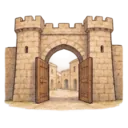
The central rescue illustrates the command to take Paul out of the growing dissension; the shield and urgent gestures convey the danger without depicting the feared tearing apart. The stairway and open doorway suggest the barracks. Faces, clothing, architecture, and the precise arrangement are imaginative, not historical likenesses or archaeological certainty.
Paul listens with renewed courage while the Lord who stood beside him remains outside the picture. His appearance, clothing and lamplit barracks room are imaginative conventions, not details specified by this verse or a historical likeness. The night setting follows the source; Rome is the promised place of future testimony and is not depicted. The lamplight is ordinary light, not a representation of God.
The dawn courtyard and untouched bread, cup and jug imaginatively express the conspirators' vow to abstain from food and drink until they kill Paul. Their tense huddle represents the plot; Paul is absent because he is its target, not part of the meeting. The setting, faces, props and gestures are illustrative choices, not details established by this verse. Artwork remains pending human review.
The large, inward-facing gathering evokes the more than forty men who formed the conspiracy. The courtyard, faces, clothing and quiet gestures are imaginative staging, not details specified by this verse. No attack is shown. Artwork remains pending human review.
This imaginative reconstruction shows the conspirators reporting their vow to the chief priests and elders. The spokesman's grave gesture and tense companions suggest their deadly resolve without depicting an attack. Paul is absent because he is the subject of their words. Faces, clothing, architecture, and the seven-figure grouping are artistic conventions, not recorded likenesses or an exact count supplied by this verse.
This imaginative staging shows the secret proposal, not its fulfillment. The empty steps toward a fortress suggest the proposed route from Roman custody; the sheathed dagger suggests readiness to kill without depicting an attack. Paul and the commander remain absent. Faces, garments and architecture are illustrative conventions, not verified historical likenesses or archaeological details.
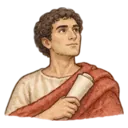
The conversation imagines Paul's nephew reporting the ambush to him after entering the barracks. Their earnest expressions convey the warning without depicting the ambush itself. Faces, ages, clothing, gestures, daylight and stone architecture are imaginative choices, not details specified by this verse or verified historical likenesses.
The seated figure represents Paul calling a centurion and directing attention to the young man who has something to report. The listening officer and open doorway suggest the requested escort to the commander, who remains outside the scene. Faces, clothing, gestures and the stone military setting are imaginative conventions, not historical likenesses or archaeological certainty.
The escort's presenting gesture and the commander's attentive posture picture the bringing and speaking in the verse. Paul is referred to in the escort's report and remains out of view. The room, garments, faces and ages are imaginative conventions; the scene does not disclose the young man's message.
The held hand and secluded passage visualize the commander taking the messenger aside to hear him privately. The faces, clothing, architecture and precise ages are imaginative choices, not historical likenesses or archaeological claims. The picture leaves the report's contents unshown.
The imagined conversation pictures the report being spoken: the Jews have agreed to ask for Paul to be brought to the council tomorrow, ostensibly for further inquiry. Paul, the council and the proposed journey are absent because they are described, not present in this moment. Faces, clothing and architecture are imaginative conventions rather than verified likenesses or reconstructions.
The commander's quiet gesture evokes the instruction to tell no one, while the young man's turn toward the doorway evokes his dismissal. Faces, clothing, gestures, architecture and daylight are imaginative, not details specified by the verse or verified historical likenesses. The report's contents are left unseen.
This imaginative courtyard brings the order and preparations together. The three foreground officers represent the commander and the two centurions; receding infantry, spearmen, and horsemen suggest the large force without individually counting it. Torchlight evokes the scheduled night departure without establishing its exact hour. Faces, clothing, and architecture are imaginative conventions, not historical likenesses or archaeological certainty.
The officer tying a papyrus letter is an imaginative way to picture Lysias's formal greeting to Felix. The verse gives the salutation, not this act of preparation; Felix remains offstage. The man's appearance, room, clothing and tools are illustrative conventions, not a historical likeness or an exact reconstruction.
An imaginative view of the rescue recalled in the commander's report: troops protect Paul from particular men threatening him. Reaching hands and interposed shields convey danger without showing an attack. Faces, clothing, architecture and daylight are artistic conventions. The image cannot establish when the commander learned of Paul's Roman citizenship.
This imagines the council appearance recalled by the commander. His presenting gesture and Paul standing before the elders connect bringing him down to their council with seeking the reason for the accusation. Faces, costumes and architecture are illustrative conventions, not verified likenesses or an exact reconstruction.
The officer, Paul and guard share an imagined administrative room to connect the reported assessment with Paul's continued custody. The verse reports a finding, not this meeting, acquittal or release. Faces, clothing and architecture are artistic conventions. The artwork remains pending human review.
The image selects Paul's guarded departure, representing the sending reported by the commander. The threatened plot and the later hearing are not shown. Faces, clothes, architecture and lighting are imaginative conventions. The source is Nestle 1904 Greek; English token glosses are attributed to the Berean Interlinear and remain uncurated aids, not an approved translation.
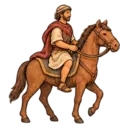
Paul's torchlit military escort illustrates the soldiers carrying out orders and bringing him to Antipatris by night. His appearance, clothing, walking posture, the troop arrangement, torches and town architecture are imaginative choices, not details specified by this verse or verified historical likenesses.
The two groups moving apart illustrate the horsemen continuing with the escorted man while the other soldiers return to the barracks. The barracks is outside the picture. The road, morning light, faces, clothing and small representative groups are imaginative choices, not a claim about exact troop numbers, historical likenesses or the precise location.
The letter handoff and Paul's quiet presentation visualize the verse's linked actions after arrival in Caesarea. The seaside hall, faces, clothing and furnishings are imaginative period details, not historical likenesses or an archaeological reconstruction. The image does not imply a verdict.
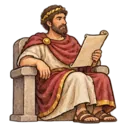
The standing man represents Paul and the seated official the governor. The letter and answering gestures picture the sequence of reading, asking about his province, and learning he is from Cilicia. Cilicia is conveyed by the explanation rather than a pictured location. Faces, garments and architecture are imaginative conventions, not historical likenesses or archaeological certainty. Artwork remains pending human review.
The governor's gesture and the soldier beside Paul visualize the order for guarded custody while the hearing awaits the accusers. The faces, clothing, courtyard and daylight are imaginative conventions; the absent accusers are not pictured.