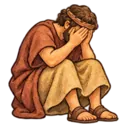
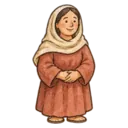
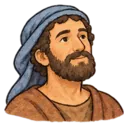
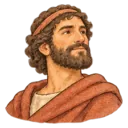
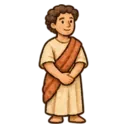
Moses' listening posture and the Egyptian setting are imaginative; the verse does not locate this speech. The closed gateway suggests Pharaoh's power, while the empty sunlit road anticipates the promised release without showing it already fulfilled. God remains unseen, and the repeated mighty hand is understood as power rather than pictured as a hand in the sky.
Credit: Hebrew reading by Rabbi Dan Be'eri (CC BY-SA 3.0), compiled at archive.org; chapter files and verse timings from Global Bible Tools · share alike
Credit: Hebrew reading by Rabbi Dan Be'eri (CC BY-SA 3.0), compiled at archive.org; chapter files and verse timings from Global Bible Tools · share alike
Credit: Hebrew reading by Rabbi Dan Be'eri (CC BY-SA 3.0), compiled at archive.org; chapter files and verse timings from Global Bible Tools · share alike
Credit: Hebrew reading by Rabbi Dan Be'eri (CC BY-SA 3.0), compiled at archive.org; chapter files and verse timings from Global Bible Tools · share alike
Credit: Hebrew reading by Rabbi Dan Be'eri (CC BY-SA 3.0), compiled at archive.org; chapter files and verse timings from Global Bible Tools · share alike
Credit: Hebrew reading by Rabbi Dan Be'eri (CC BY-SA 3.0), compiled at archive.org; chapter files and verse timings from Global Bible Tools · share alike
Credit: Hebrew reading by Rabbi Dan Be'eri (CC BY-SA 3.0), compiled at archive.org; chapter files and verse timings from Global Bible Tools · share alike
Credit: Hebrew reading by Rabbi Dan Be'eri (CC BY-SA 3.0), compiled at archive.org; chapter files and verse timings from Global Bible Tools · share alike
מוֹרָשָׁ֖הHeritage or inherited possession; Exodus 6:8 uses this noun for the land given as a heritage.
Credit: Hebrew reading by Rabbi Dan Be'eri (CC BY-SA 3.0), compiled at archive.org; chapter files and verse timings from Global Bible Tools · share alike
Credit: Hebrew reading by Rabbi Dan Be'eri (CC BY-SA 3.0), compiled at archive.org; chapter files and verse timings from Global Bible Tools · share alike
Credit: Hebrew reading by Rabbi Dan Be'eri (CC BY-SA 3.0), compiled at archive.org; chapter files and verse timings from Global Bible Tools · share alike
Credit: Hebrew reading by Rabbi Dan Be'eri (CC BY-SA 3.0), compiled at archive.org; chapter files and verse timings from Global Bible Tools · share alike
Credit: Hebrew reading by Rabbi Dan Be'eri (CC BY-SA 3.0), compiled at archive.org; chapter files and verse timings from Global Bible Tools · share alike
Credit: Hebrew reading by Rabbi Dan Be'eri (CC BY-SA 3.0), compiled at archive.org; chapter files and verse timings from Global Bible Tools · share alike
Credit: Hebrew reading by Rabbi Dan Be'eri (CC BY-SA 3.0), compiled at archive.org; chapter files and verse timings from Global Bible Tools · share alike
Credit: Hebrew reading by Rabbi Dan Be'eri (CC BY-SA 3.0), compiled at archive.org; chapter files and verse timings from Global Bible Tools · share alike
Credit: Hebrew reading by Rabbi Dan Be'eri (CC BY-SA 3.0), compiled at archive.org; chapter files and verse timings from Global Bible Tools · share alike
וְשִׁמְעִ֖יShimei, a personal name; Exodus 6:17 names him among the sons of Gershon.
Credit: Hebrew reading by Rabbi Dan Be'eri (CC BY-SA 3.0), compiled at archive.org; chapter files and verse timings from Global Bible Tools · share alike
Credit: Hebrew reading by Rabbi Dan Be'eri (CC BY-SA 3.0), compiled at archive.org; chapter files and verse timings from Global Bible Tools · share alike
וּמוּשִׁ֑יMushi
מַחְלִ֣יMahli; a personal name among the sons of Merari in Exodus 6:19.
Credit: Hebrew reading by Rabbi Dan Be'eri (CC BY-SA 3.0), compiled at archive.org; chapter files and verse timings from Global Bible Tools · share alike
יוֹכֶ֤בֶדJochebed, whom the verse names as the mother of Aaron and Moses.
דֹּֽדָתוֹ֙Aunt, specifically a father's sister, as the exact H1733 token is glossed in Exodus 6:20.
Credit: Hebrew reading by Rabbi Dan Be'eri (CC BY-SA 3.0), compiled at archive.org; chapter files and verse timings from Global Bible Tools · share alike
וְזִכְרִֽיZichri; a personal name in the list of the sons of Izhar in Exodus 6:21.
Credit: Hebrew reading by Rabbi Dan Be'eri (CC BY-SA 3.0), compiled at archive.org; chapter files and verse timings from Global Bible Tools · share alike
וְאֶלְצָפָ֖ןElzaphan, named among Uzziel's sons at Exodus 6:22.
מִֽישָׁאֵ֥לMishael, a personal name among the sons of Uzziel in Exodus 6:22.
Credit: Hebrew reading by Rabbi Dan Be'eri (CC BY-SA 3.0), compiled at archive.org; chapter files and verse timings from Global Bible Tools · share alike
נַחְשׁ֖וֹןNahshon, Elisheba’s brother
אִֽיתָמָֽרIthamar, named as a son of Aaron and Elisheba.
אֲבִיה֔וּאAbihu; a personal name among the children born to Aaron and Elisheba in Exodus 6:23.
נָדָב֙Nadab, the son born to Aaron and Elisheba and named in Exodus 6:23.
אֱלִישֶׁ֧בַעElisheba
אֶלְעָזָ֖רEleazar, named among Aaron and Elisheba's sons in Exodus 6:23.
Credit: Hebrew reading by Rabbi Dan Be'eri (CC BY-SA 3.0), compiled at archive.org; chapter files and verse timings from Global Bible Tools · share alike
Credit: Hebrew reading by Rabbi Dan Be'eri (CC BY-SA 3.0), compiled at archive.org; chapter files and verse timings from Global Bible Tools · share alike
פּֽוּטִיאֵל֙Putiel
פִּֽינְחָ֑סPhinehas, born to Eleazar and the daughter of Putiel
Credit: Hebrew reading by Rabbi Dan Be'eri (CC BY-SA 3.0), compiled at archive.org; chapter files and verse timings from Global Bible Tools · share alike
Credit: Hebrew reading by Rabbi Dan Be'eri (CC BY-SA 3.0), compiled at archive.org; chapter files and verse timings from Global Bible Tools · share alike
Credit: Hebrew reading by Rabbi Dan Be'eri (CC BY-SA 3.0), compiled at archive.org; chapter files and verse timings from Global Bible Tools · share alike
Credit: Hebrew reading by Rabbi Dan Be'eri (CC BY-SA 3.0), compiled at archive.org; chapter files and verse timings from Global Bible Tools · share alike
Credit: Hebrew reading by Rabbi Dan Be'eri (CC BY-SA 3.0), compiled at archive.org; chapter files and verse timings from Global Bible Tools · share alike