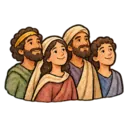
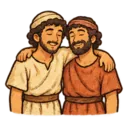
The listening group imaginatively represents the adversaries hearing of the returned exiles building the LORD's temple. Their guarded expressions suggest opposition without adding a confrontation. The builders, conversation and unfinished architecture are illustrative conventions, not identified historical people or an archaeological reconstruction. God is not depicted. Human artwork review remains pending.
Credit: Hebrew reading by Rabbi Dan Be'eri (CC BY-SA 3.0), compiled at archive.org; chapter files and verse timings from Global Bible Tools · share alike
Credit: Hebrew reading by Rabbi Dan Be'eri (CC BY-SA 3.0), compiled at archive.org; chapter files and verse timings from Global Bible Tools · share alike
Credit: Hebrew reading by Rabbi Dan Be'eri (CC BY-SA 3.0), compiled at archive.org; chapter files and verse timings from Global Bible Tools · share alike
Credit: Hebrew reading by Rabbi Dan Be'eri (CC BY-SA 3.0), compiled at archive.org; chapter files and verse timings from Global Bible Tools · share alike
Credit: Hebrew reading by Rabbi Dan Be'eri (CC BY-SA 3.0), compiled at archive.org; chapter files and verse timings from Global Bible Tools · share alike
דָּרְיָ֥וֶשׁDarius, king of Persia
וְסֹכְרִ֧יםTo hire or engage someone for pay, as counselors are hired in Ezra 4:5; the exact lemma key is H7936 with augment a.
Credit: Hebrew reading by Rabbi Dan Be'eri (CC BY-SA 3.0), compiled at archive.org; chapter files and verse timings from Global Bible Tools · share alike
אֲחַשְׁוֵר֔וֹשׁAhasuerus, a ruler in whose reign an accusation was written
Credit: Hebrew reading by Rabbi Dan Be'eri (CC BY-SA 3.0), compiled at archive.org; chapter files and verse timings from Global Bible Tools · share alike
הַֽנִּשְׁתְּוָ֔ןthe letter
טָֽבְאֵל֙Tabel, named among correspondents
אֲרָמִ֖יתAramaic script
וּמְתֻרְגָּ֥םtranslated
אַרְתַּחְשַׁ֗שְׂתָּאArtaxerxes, the Persian king named in Ezra 4:7.
Credit: Hebrew reading by Rabbi Dan Be'eri (CC BY-SA 3.0), compiled at archive.org; chapter files and verse timings from Global Bible Tools · share alike
כְּנֵֽמָאIn this fashion, introducing the manner of a letter.
חֲדָ֖הa, modifying the word for letter
יְרוּשְׁלֶ֑םJerusalem, the city named in the Aramaic letter of Ezra 4:8, token 15AkY, H3390.
בְּעֵלThe title glossed “the chancellor of” in Rehum’s designation.
וְשִׁמְשַׁי֙Shimshai, a scribe
אִגְּרָ֥הletter
רְח֣וּםRehum, the official associated with a letter
עַלagainst, in opposition to
לְאַרְתַּחְשַׁ֥שְׂתְּאArtaxerxes
טְעֵ֗םthe commander, in the title phrase following Rehum
Credit: Hebrew reading by Rabbi Dan Be'eri (CC BY-SA 3.0), compiled at archive.org; chapter files and verse timings from Global Bible Tools · share alike
ארכויPeople associated with Erech; the gentilic assigned to H756 in Ezra 4:9.
וּשְׁאָ֖רthe rest of their companions
כְּנָוָתְה֑וֹןCompanions or associates; Ezra 4:9 refers to their companions.
Credit: Hebrew reading by Rabbi Dan Be'eri (CC BY-SA 3.0), compiled at archive.org; chapter files and verse timings from Global Bible Tools · share alike
הִמּ֔וֹThey; an Aramaic third-person masculine plural personal pronoun, as in Ezra 4:10.
וּכְעֶֽנֶתso forth
אָסְנַפַּר֙Osnapper, the named great and noble figure who took people captive and settled them in Ezra 4:10.
עֲבַֽרbeyond the river
שָׁמְרָ֑יִןSamaria, named in connection with its cities.
בְּקִרְיָ֖הcities
דִּ֤יwhom, linking the nations to the stated action
Credit: Hebrew reading by Rabbi Dan Be'eri (CC BY-SA 3.0), compiled at archive.org; chapter files and verse timings from Global Bible Tools · share alike
פַּרְשֶׁ֣גֶןA copy or transcript of a letter; Ezra 4:11 introduces a copy of the letter.
Credit: Hebrew reading by Rabbi Dan Be'eri (CC BY-SA 3.0), compiled at archive.org; chapter files and verse timings from Global Bible Tools · share alike
Credit: Hebrew reading by Rabbi Dan Be'eri (CC BY-SA 3.0), compiled at archive.org; chapter files and verse timings from Global Bible Tools · share alike
כְּעַ֗ןnow
הֵ֣ןIf, introducing a condition
וַהֲלָךְ֙Customs duty or a road toll on goods.
מַלְכִ֖יםKing or royal ruler, the Aramaic lemma in Ezra 4:13.
מִנְדָּֽהtax
בְל֤וֹTribute mentioned among payments to the king.
Credit: Hebrew reading by Rabbi Dan Be'eri (CC BY-SA 3.0), compiled at archive.org; chapter files and verse timings from Global Bible Tools · share alike
אֲֽרִֽיךְwhat was proper
מְלַ֤חsupport from the palace
קֳבֵל֙According to or in accordance with; the Aramaic connective H6903 is represented by Ezra 4:14 token 15Hx4, glossed 'according to'.
Credit: Hebrew reading by Rabbi Dan Be'eri (CC BY-SA 3.0), compiled at archive.org; chapter files and verse timings from Global Bible Tools · share alike
וּמְדִנָ֔ןA province or governed district; the plural occurs alongside kings in Ezra 4:15.
בִּֽסְפַרBook of records
וְאֶשְׁתַּדּוּר֙Sedition or rebellion, the allegation in Ezra 4:15; strong-chirho H849 supports the Aramaic noun.
מִןAramaic min in a temporal phrase about former times in Ezra 4:15; the saved token gloss is in.
מָֽרָדָ֗אRebellious, the Aramaic adjective applied to the city in the reported accusation of Ezra 4:15.
Credit: Hebrew reading by Rabbi Dan Be'eri (CC BY-SA 3.0), compiled at archive.org; chapter files and verse timings from Global Bible Tools · share alike
חֲלָק֙Dominion or a share in rule, from the Aramaic noun glossed 'dominion' in the supplied Ezra.4.16 token.
אֲנַ֨חְנָה֙we, the first-person plural speakers
אִיתַ֖יBe present or exist, the Aramaic affirmation particle glossed is in Ezra 4:16, token 15iSw.
Credit: Hebrew reading by Rabbi Dan Be'eri (CC BY-SA 3.0), compiled at archive.org; chapter files and verse timings from Global Bible Tools · share alike
Credit: Hebrew reading by Rabbi Dan Be'eri (CC BY-SA 3.0), compiled at archive.org; chapter files and verse timings from Global Bible Tools · share alike
Credit: Hebrew reading by Rabbi Dan Be'eri (CC BY-SA 3.0), compiled at archive.org; chapter files and verse timings from Global Bible Tools · share alike
Credit: Hebrew reading by Rabbi Dan Be'eri (CC BY-SA 3.0), compiled at archive.org; chapter files and verse timings from Global Bible Tools · share alike
תַּקִּיפִ֗יןmighty, describing kings
בְּכֹ֖לAll or the whole, used of the entire region in Ezra 4:20.
וְשַׁ֨לִּיטִ֔יןRuling or exercising authority, as the rulers over the region are described in Ezra 4:20.
Credit: Hebrew reading by Rabbi Dan Be'eri (CC BY-SA 3.0), compiled at archive.org; chapter files and verse timings from Global Bible Tools · share alike
Credit: Hebrew reading by Rabbi Dan Be'eri (CC BY-SA 3.0), compiled at archive.org; chapter files and verse timings from Global Bible Tools · share alike
שָׁל֖וּfailure to carry out a charge
לְהַנְזָקַ֖תhurt
וּזְהִירִ֥יןTo heed or be attentive and careful, as in Ezra 4:22.
לְמָה֙An interrogative, here why in the prefixed Aramaic expression in Ezra 4:22.
Credit: Hebrew reading by Rabbi Dan Be'eri (CC BY-SA 3.0), compiled at archive.org; chapter files and verse timings from Global Bible Tools · share alike
וְחָֽיִלarms used to compel the Jews to stop
בְּאֶדְרָ֥עArm; figuratively, power or force (Ezra 4:23).
בִבְהִיל֤וּHaste or urgency, using in haste for the Aramaic H924 at Ezra.4.23, token 15uHz.
Credit: Hebrew reading by Rabbi Dan Be'eri (CC BY-SA 3.0), compiled at archive.org; chapter files and verse timings from Global Bible Tools · share alike
לְמַלְכ֖וּתreign
דָּרְיָ֥וֶשׁDarius, king of Persia
בֵּיתHouse or building, used for the house of God at Jerusalem in the Aramaic text of Ezra 4:24.
פָּרָֽסPersia, in the title of its king
עֲבִידַ֣תWork or labor; Ezra 4:24 token 15h3K is the Aramaic construct noun H5673, glossed "the work of" in the building-work context.