The damaged gate and entering soldiers imaginatively show the capture of Ashdod after the fighting reported in the verse. The foreground commander represents Tartan; Sargon, who sent him, is not shown. The clothing, faces, siege equipment and city architecture are illustrative conventions, not documented likenesses or an exact reconstruction. Violence is conveyed through the broken entrance without depicting injuries.
Credit: Hebrew reading by Rabbi Dan Be'eri (CC BY-SA 3.0), compiled at archive.org; chapter files and verse timings from Global Bible Tools · share alike
Credit: Hebrew reading by Rabbi Dan Be'eri (CC BY-SA 3.0), compiled at archive.org; chapter files and verse timings from Global Bible Tools · share alike
Credit: Hebrew reading by Rabbi Dan Be'eri (CC BY-SA 3.0), compiled at archive.org; chapter files and verse timings from Global Bible Tools · share alike
Credit: Hebrew reading by Rabbi Dan Be'eri (CC BY-SA 3.0), compiled at archive.org; chapter files and verse timings from Global Bible Tools · share alike
Credit: Hebrew reading by Rabbi Dan Be'eri (CC BY-SA 3.0), compiled at archive.org; chapter files and verse timings from Global Bible Tools · share alike
מַבָּטָ֔םExpectation or an object of hope. Isaiah 20:5 calls Ethiopia their expectation.
Credit: Hebrew reading by Rabbi Dan Be'eri (CC BY-SA 3.0), compiled at archive.org; chapter files and verse timings from Global Bible Tools · share alike
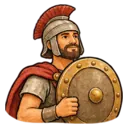 תַרְתָּן֙ Tartan, sent to fight Ashdod
 סַֽרְג֖וֹן Sargon