This imagined courtyard gives visible form to the rich people addressed and their commanded weeping and wailing. The intact coins and fine cloth identify their wealth without bringing in a particular historical event. Approaching storm clouds are an artistic metaphor for the coming miseries, not a prediction of literal weather. The scene preserves the warning rather than depicting a promised rescue.
This imaginative still life pictures the verse's decayed riches through spoiled stored fruit and its moth-eaten garments through damaged woven clothing. The storeroom, colors and objects are illustrative choices, not a recorded scene or archaeological reconstruction. The image preserves the sober warning rather than depicting a named person.
This imaginative still life presents the hoarded, corroded wealth as evidence against its owners. The fire beside it echoes the warning that corrosion will consume their flesh like fire, without depicting bodily harm. Fading daylight suggests the last days; the room and sunset are artistic choices, not an event or setting specified by James.
This imaginative harvest scene connects the workers' empty hand with the wages kept in the landowner's pouch. The older worker's upward appeal evokes the reapers' cries reaching the Lord of Hosts, who remains unseen. The figures and setting are illustrative conventions, not a recorded incident or historical likeness.
This imaginative courtyard pairs complacent human indulgence with a well-fed ox to evoke the verse's accusation of fattened hearts in a day of slaughter. The closed gate, long shadows and dark clouds suggest judgment; no slaughter is depicted. These unnamed people and invented surroundings illustrate the warning, not a documented event or historical likeness.
This imaginative aftermath connects the covered victim with the verse's condemnation and murder of the righteous person. The empty open hand suggests nonresistance, while the departing men suggest those accused. The courtyard, bier, clothing, and gestures are teaching choices, not details specified by James; no particular historical victim is identified.
This imagined farmer and rain-watered grain illustrate James's comparison: a precious crop requires patient waiting through the seasonal rains. One passing shower evokes that dependence without claiming to show both early and latter rains at once. The farmer is an unnamed illustration, and the Lord's coming is not depicted. Artwork remains pending human review.
This imaginative gathering conveys patient endurance and strengthened hearts through steady postures, a hand over the chest and mutual reassurance. The empty path and dawn suggest expectation of the Lord's coming without depicting Him or specifying its timing. The verse gives an exhortation, not this narrated event; the people and setting are illustrative conventions.
This imagined courtyard illustrates the warning against grumbling through two peers in a tense, restrained exchange. The nearby closed doors recall the verse’s declaration that the Judge stands before the doors. The Judge is deliberately unseen; neither man represents Him. The setting and gestures are illustrative choices, not a narrated historical event.
This imaginative, unnamed prophet and village illustrate patient witness amid rejection. His worn mantle and the unresponsive villagers suggest hardship; his steady speaking posture suggests endurance. James names no particular prophet or episode here, so this composition is not a reconstruction of a recorded event or a historical likeness.
This imagined meeting of unnamed villagers evokes endurance through hardship and the tenderness of compassion. The weathered clothing and rain-soaked stones retain signs of difficulty; the offered cup and clearing light suggest care and hope. It is not a narrated episode from Job or James, and the woman does not represent God. James explicitly recalls Job and identifies the Lord as compassionate and merciful; the scene offers an indirect visual meditation on those truths.
This imagined conversation illustrates the plain, dependable speech James commands. Relaxed hands and attentive faces suggest sincerity without invoking heaven or earth in an oath. These are unnamed neighbors, not a recorded biblical event or portraits of James or Jesus. The verse also warns against falling under judgment; the peaceful setting does not depict or cancel that warning.
This imagined courtyard places the verse's two responses side by side: prayer amid hardship and sung praise amid cheerfulness. The people and setting are illustrative, not a recorded event or historical likeness. The man remains visibly burdened; the scene does not imply that prayer has already removed his suffering.
This imagined household visit illustrates the church elders praying over a sick person and anointing him with oil in the Lord’s name. The people, room and placement of the oil on the forehead are artistic choices, not details specified by James. No completed healing is depicted. Artwork remains pending human review.
This imaginative early Christian household scene relates prayer beside an ailing person to the verse's promise of the Lord raising him up. The companions do not represent the source of healing, and the Lord remains unseen. The seated man's hopeful expression suggests relief and mercy; forgiveness is not pictured literally, and his illness is not presented as proof of personal sin.
This imaginative gathering illustrates mutual confession and prayer through humble posture, compassionate company and shared supplication. The older woman and nearby water suggest attentive care and hope for healing, without depicting an instantaneous cure. These unnamed believers and their courtyard are illustrative conventions, not a recorded event or historical likeness.
This imaginative depiction connects Elijah’s earnest prayer with the rainless land described in James 5:17. His ordinary clothing and humble posture suggest a man sharing our human nature, dependent on God. The face, pose and landscape are artistic conventions; the single scene cannot show the stated three years and six months.
The praying man, rain and fruitful fields imaginatively bring the verse’s sequence into one landscape. Figs, grain, terraces and the village are illustrative setting choices, not details specified by the verse. Mature crops summarize the later result rather than suggesting instant growth. The man’s appearance is imagined; God is not depicted. Artwork remains pending human review.
This imagined encounter pictures wandering from the truth and being brought back through a compassionate fellow believer. The side track and invitation toward the shared path are visual analogies for spiritual departure and return; James does not describe a literal journey or identify these people.
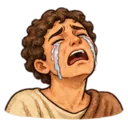 ὀλολύζοντες To wail or cry out in distress.