The three unnamed Israelites surveying inhabited strongholds form an imaginative overview of a generation facing nations left in the land. Their pause suggests inexperience and the testing described in the verse; the verse narrates no specific encounter. The people, settlements, clothing and landscape are illustrative conventions, not historical likenesses or archaeological reconstructions.
Credit: Hebrew reading by Rabbi Dan Be'eri (CC BY-SA 3.0), compiled at archive.org; chapter files and verse timings from Global Bible Tools · share alike
Credit: Hebrew reading by Rabbi Dan Be'eri (CC BY-SA 3.0), compiled at archive.org; chapter files and verse timings from Global Bible Tools · share alike
Credit: Hebrew reading by Rabbi Dan Be'eri (CC BY-SA 3.0), compiled at archive.org; chapter files and verse timings from Global Bible Tools · share alike
בַּ֣עַלBaal-hermon, the named mountain location in Judges 3:3.
Credit: Hebrew reading by Rabbi Dan Be'eri (CC BY-SA 3.0), compiled at archive.org; chapter files and verse timings from Global Bible Tools · share alike
Credit: Hebrew reading by Rabbi Dan Be'eri (CC BY-SA 3.0), compiled at archive.org; chapter files and verse timings from Global Bible Tools · share alike
Credit: Hebrew reading by Rabbi Dan Be'eri (CC BY-SA 3.0), compiled at archive.org; chapter files and verse timings from Global Bible Tools · share alike
Credit: Hebrew reading by Rabbi Dan Be'eri (CC BY-SA 3.0), compiled at archive.org; chapter files and verse timings from Global Bible Tools · share alike
Credit: Hebrew reading by Rabbi Dan Be'eri (CC BY-SA 3.0), compiled at archive.org; chapter files and verse timings from Global Bible Tools · share alike
Credit: Hebrew reading by Rabbi Dan Be'eri (CC BY-SA 3.0), compiled at archive.org; chapter files and verse timings from Global Bible Tools · share alike
Credit: Hebrew reading by Rabbi Dan Be'eri (CC BY-SA 3.0), compiled at archive.org; chapter files and verse timings from Global Bible Tools · share alike
Credit: Hebrew reading by Rabbi Dan Be'eri (CC BY-SA 3.0), compiled at archive.org; chapter files and verse timings from Global Bible Tools · share alike
Credit: Hebrew reading by Rabbi Dan Be'eri (CC BY-SA 3.0), compiled at archive.org; chapter files and verse timings from Global Bible Tools · share alike
Credit: Hebrew reading by Rabbi Dan Be'eri (CC BY-SA 3.0), compiled at archive.org; chapter files and verse timings from Global Bible Tools · share alike
Credit: Hebrew reading by Rabbi Dan Be'eri (CC BY-SA 3.0), compiled at archive.org; chapter files and verse timings from Global Bible Tools · share alike
Credit: Hebrew reading by Rabbi Dan Be'eri (CC BY-SA 3.0), compiled at archive.org; chapter files and verse timings from Global Bible Tools · share alike
אִטֵּ֖רRestricted, describing Ehud in relation to his right hand.
Credit: Hebrew reading by Rabbi Dan Be'eri (CC BY-SA 3.0), compiled at archive.org; chapter files and verse timings from Global Bible Tools · share alike
גֹּ֣מֶדAn ancient length measure, rendered cubit in the supplied gloss (Judges 3:16).
Credit: Hebrew reading by Rabbi Dan Be'eri (CC BY-SA 3.0), compiled at archive.org; chapter files and verse timings from Global Bible Tools · share alike
Credit: Hebrew reading by Rabbi Dan Be'eri (CC BY-SA 3.0), compiled at archive.org; chapter files and verse timings from Global Bible Tools · share alike
Credit: Hebrew reading by Rabbi Dan Be'eri (CC BY-SA 3.0), compiled at archive.org; chapter files and verse timings from Global Bible Tools · share alike
Credit: Hebrew reading by Rabbi Dan Be'eri (CC BY-SA 3.0), compiled at archive.org; chapter files and verse timings from Global Bible Tools · share alike
הַמְּקֵרָ֤הCool, describing the upstairs chamber.
בַּעֲלִיַּ֨תAn upstairs chamber or upper room, as the private upper chamber in Judges 3:20.
Credit: Hebrew reading by Rabbi Dan Be'eri (CC BY-SA 3.0), compiled at archive.org; chapter files and verse timings from Global Bible Tools · share alike
Credit: Hebrew reading by Rabbi Dan Be'eri (CC BY-SA 3.0), compiled at archive.org; chapter files and verse timings from Global Bible Tools · share alike
הַלַּ֗הַבA blade; the blade of the weapon described in Judges 3:22.
Credit: Hebrew reading by Rabbi Dan Be'eri (CC BY-SA 3.0), compiled at archive.org; chapter files and verse timings from Global Bible Tools · share alike
Credit: Hebrew reading by Rabbi Dan Be'eri (CC BY-SA 3.0), compiled at archive.org; chapter files and verse timings from Global Bible Tools · share alike
Credit: Hebrew reading by Rabbi Dan Be'eri (CC BY-SA 3.0), compiled at archive.org; chapter files and verse timings from Global Bible Tools · share alike
Credit: Hebrew reading by Rabbi Dan Be'eri (CC BY-SA 3.0), compiled at archive.org; chapter files and verse timings from Global Bible Tools · share alike
Credit: Hebrew reading by Rabbi Dan Be'eri (CC BY-SA 3.0), compiled at archive.org; chapter files and verse timings from Global Bible Tools · share alike
Credit: Hebrew reading by Rabbi Dan Be'eri (CC BY-SA 3.0), compiled at archive.org; chapter files and verse timings from Global Bible Tools · share alike
Credit: Hebrew reading by Rabbi Dan Be'eri (CC BY-SA 3.0), compiled at archive.org; chapter files and verse timings from Global Bible Tools · share alike
Credit: Hebrew reading by Rabbi Dan Be'eri (CC BY-SA 3.0), compiled at archive.org; chapter files and verse timings from Global Bible Tools · share alike
Credit: Hebrew reading by Rabbi Dan Be'eri (CC BY-SA 3.0), compiled at archive.org; chapter files and verse timings from Global Bible Tools · share alike
שַׁמְגַּ֣רShamgar, who used an ox goad.
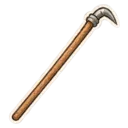
בְּמַלְמַ֖דAn oxgoad; Judges 3:31 names the implement used by Shamgar.
עֲנָ֔תAnath, the name in the designation Shamgar son of Anath in Judges 3:31.