The two women and dawn illustrate the visit described in Matthew 28:1. The garden path, clothing colors, flowers and partially screened tomb entrance are imaginative staging, not details established by this verse. The image does not depict the resurrection or the later angelic announcement. Human artwork review remains pending.
The seated messenger and displaced stone illustrate the final action of the verse. Cracked earth and settling dust suggest its great earthquake; light through the clouds recalls the angel descending from heaven. The angel, clothing, garden and tomb architecture are imaginative conventions. Neither God nor Jesus is portrayed.
The luminous figure and snow-white robe illustrate the verse’s comparisons to lightning and snow without adding literal bolts or snowfall. The seated pose and garden tomb are imaginative narrative context; the angel’s face, clothing details and landscape are artistic conventions, not historical likeness or archaeological certainty. The figure represents the angel, not Jesus or God.
The motionless guards picture the verse's comparison, "like dead men," without portraying wounds or claiming they died. The tomb garden, clothing, two-guard grouping and dawn light are imaginative staging. Light from beyond the frame suggests the feared angelic presence without showing him; Jesus and God are not depicted. This is an illustrative convention, not a historical likeness. Human artwork review remains pending.
The messenger's open hand and the women's attentive, startled faces imaginatively express the angel's reassurance to those seeking the crucified Jesus. Jesus remains out of view; the verse's reference to His crucifixion is not staged as a separate event. The dawn garden, clothing, faces and tomb are artistic conventions, not historical likenesses or archaeological claims.
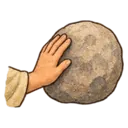
The empty ledge invites the viewer to see the place where Jesus lay, illustrating the announcement that He has risen as He said. The dawn, garden flowers and limestone details are imaginative setting choices, not details specified by this verse. Jesus remains out of view.
This imaginative scene pictures the women receiving the urgent commission, with the angel represented only by a hand and white sleeve. The open tomb supports the announcement that Jesus has risen; the path suggests readiness to carry the news. The distant hills do not depict a simultaneous meeting in Galilee. Faces, clothing, and garden details are artistic conventions. Jesus remains outside the picture.
The women running away from the tomb picture the verse's haste, fear and great joy. Their expressions suggest awe alongside gladness; the disciples they intend to tell remain outside the scene. The two figures, clothing, garden and morning light are imaginative staging, not asserted historical likenesses or archaeological certainty. Jesus is not depicted.
The bowed posture, reaching arms and tearful joy imaginatively express the women approaching and worshiping Jesus after His greeting. Jesus and the feet they grasp are outside the frame, so the grasp itself is implied rather than shown. The two women, clothing, garden path and morning light are illustrative choices, not details specified in this verse.
The women listening toward the unseen speaker and beginning to turn along the path imaginatively express Jesus' reassurance and His command to carry the message. Jesus remains outside the frame; the distant village is imagined scenery, not an identification of Galilee or the promised meeting. Clothing, faces and landscape are illustrative conventions. Human artwork review remains pending.
The speaking guard and attentive chief priests imagine the report described in the verse. The courtyard, number of figures, faces, clothing and gestures are artistic conventions, not supplied historical details. The events being reported remain outside the picture, as do those who were on their way. No later payment or conspiracy is shown.
The gathered men and the purse offered to a soldier visualize the counsel and substantial silver payment described in the verse. The number of figures, faces, room, clothing and arrangement of coins are imaginative choices, not details specified by the text or claims of historical likeness.
This imaginative courtyard conversation depicts the instruction to repeat a false report. The listening guards and speaking leader relate to “Say”; the alleged nighttime theft and sleep remain unpictured because they belong to the instructed claim. Faces, clothing and architecture are illustrative conventions. Jesus and the disciples are absent. Human artwork review remains pending.
The imagined courtyard conversation pictures leaders reassuring anxious guards about possible consequences. The open palm suggests their promise to intervene, without presenting the deceptive reassurance as righteous comfort. The governor remains absent because persuasion is a promised future response, not an event narrated here. Faces, garments and architecture are imaginative conventions.
The guards, coin pouch, and street conversations imaginatively connect accepted payment with the spreading report. The verse does not specify this street, these faces, or these listeners. The image neither enacts the report as fact nor literally depicts its persistence across years. The architecture and costumes are imaginative conventions.
The eleven travelers illustrate the disciples going to the appointed mountain in Galilee. Jesus is outside the frame; the painting does not depict the encounter in the following verse. The path, landscape, clothing and daylight are imaginative details, not an identification of the exact mountain or historical likenesses.
The disciples' bowed bodies and open hands imaginatively express worship, while two standing men suggest the doubt the verse also records. Their attention extends beyond the left edge toward Jesus, who is kept outside the image. The hillside, faces, clothing and arrangement are imaginative conventions, not historical likenesses or details specified by this verse.
The listeners face Jesus as an unseen speaker beyond the right edge. The broad sky and spreading land imaginatively echo His declaration of all authority in heaven and on earth; the landscape does not depict the granting of that authority. The hillside, clothing and faces are imaginative conventions, not historical likenesses. Jesus and God are not shown.
This imaginative baptism scene illustrates obedience to the commission, rather than a baptism reported at the moment Jesus speaks. The varied gathering suggests the call to all nations, and the distant path suggests going. Jesus remains outside the image. The Father, Son and Holy Spirit are named in the verse; the painting does not attempt to depict the divine name or the Trinity.
This imagined gathering illustrates disciples passing on Jesus' teaching to attentive learners. It is not a specific event narrated in this verse. The ordinary teacher is a disciple, not Jesus, who remains outside the image. The receding path suggests continuing days, without claiming to depict the completion of the age. His promise of enduring presence is conveyed by the verse rather than a visible substitute.
 Ὀψὲ after
 ἐπιφωσκούσῃ being dawn