The imagined multitude gives visible form to the great heavenly voice the speaker hears. Shared upward gazes and gestures suggest the Hallelujah that ascribes salvation, glory and power to God. The clothing, faces and cloud setting are artistic choices; the verse describes what is heard, and God remains unseen.
This imaginative object-and-setting composition represents judgment on the great prostitute through ruined luxury and a burning city. The stained linen recalls the blood of God’s slain servants; light on it suggests their vindication. The crown, mantle, linen and architecture are visual conventions, not objects specified in this verse. God is not depicted.
The worshippers imaginatively express the repeated Hallelujah; the distant ruins give the smoke a visible setting. The plume extending beyond the picture suggests the verse's forever-and-ever language, which a still image cannot literally show. The landscape and clothing are artistic conventions, not details supplied by this verse. God is not portrayed.
This imaginative heavenly gathering pictures the shared praise commanded by the voice from the throne. Simple and finer garments suggest small and great in standing, rather than only age or height. Golden steps lead beyond view toward the throne; neither God nor the unidentified speaker is portrayed. The architecture, clothing and individual worshippers are artistic conventions, not details specified by the verse.
This imaginative worship scene expresses the multitude's joyful awe at the Almighty's reign. Waterfalls and thunderclouds visually echo comparisons for the sound John hears; the verse does not state that these features surround the crowd. The golden light is atmospheric, and God remains unseen.
The prepared bride and rejoicing company imaginatively express the verse’s bridal readiness and call to give God glory. The courtyard, garments and flowers are artistic conventions, not details supplied by the verse. Christ, the Lamb, remains outside the frame; the light is atmospheric rather than a depiction of God.
The bride figure and luminous linen imaginatively embody the clothing granted to her. The verse itself identifies the fine linen with the righteous acts of the saints. The chamber, flowers and distant landscape are artistic setting choices, not details stated in the verse; God and Jesus are not depicted.
The prepared feast, grateful guests and open place imaginatively picture the blessing of being invited to the Lamb’s marriage supper. Christ remains out of view. The courtyard, furnishings and people are artistic conventions, not details supplied by the verse. This banquet image does not depict the command to write or visually establish the truth of God’s words.
John's low posture and the messenger's open stop gesture portray the rejection of worship directed to a fellow servant. The upward-pointing hand directs attention toward the unseen God. The cloud setting, garments and faces are imaginative conventions; God and Jesus are not depicted. The verse's statement about Jesus' testimony and prophecy is explained rather than turned into a literal object.
This imaginative close detail selects the white horse and opened heaven from the vision. Clouds conceal the rider from view rather than depicting Christ as a human figure. The purposeful horse and solemn light suggest the gravity of righteous judgment; the image does not depict the warfare itself. The verse still declares that the rider, called Faithful and True, judges and makes war in righteousness.
This imaginative still life echoes the many diadems and fiery imagery without depicting Christ. The crowns rest on stone only as an artistic arrangement; the verse places them upon His head. The radiant sky does not portray His eyes, and the written name known only to Himself is left unpictured.
This imaginative garment study draws attention to the blood-dipped clothing while keeping its wearer out of view. The stone ledge, flowers and valley are artistic setting choices, not details stated in the verse. The image does not identify whose blood stains the garment; the title The Word of God is carried by the accompanying Scripture.
White horses and clean white linen directly reflect the verse. The cloud-filled heavenly setting, riders’ appearances, and arrangement of the ranks are imaginative choices. The One they follow remains beyond the frame; no visible rider is intended to portray Jesus. The verse does not specify whether these followers are angels or redeemed people.
This imaginative object composition joins the verse's sword, iron rod and winepress as images of judgment and rule. Jesus remains outside the frame. The airborne blade indirectly recalls the sword from His mouth; it does not depict its literal origin. Distant cities evoke the nations, and crushed grapes recall the winepress of God Almighty's wrath. No human treader or act of violence is shown. Pending human artwork review.
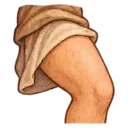
This imaginative still life connects the robe with the title King of kings and Lord of lords through a mantle placed above earthly crowns. The verse describes a name written on His robe and thigh; neither the inscription nor His figure is depicted. The crowns, steps and flowers are visual interpretation, not objects or a location stated in the verse.
The sunlit messenger and gathering birds imaginatively visualize the angel’s loud summons in John’s vision. Wings, clothing and rocky terrain are artistic conventions, not details specified by the verse. The great supper is conveyed through the gathering summons rather than an invented banquet or graphic aftermath. God is not depicted.
This imaginative aftermath links the gathering scavengers to the verse’s announced eating of flesh, while withholding wounds and feeding. Fallen horses and people, with abandoned royal and military objects, suggest the judgment shared by every rank. The scene anticipates the summons rather than depicting its graphic fulfillment; costumes and landscape are artistic conventions.
This imaginative scene focuses on the hostile gathering described in the verse. The kings, beast and armies face the mounted One and His army beyond the right edge, keeping Christ out of direct view. The beast's anatomy, clothing and landscape are artistic conventions, not details specified by this verse. No fighting or outcome is shown. Artwork remains pending human review.
The distant beast and robed figure imaginatively represent the beast and false prophet being cast alive into the sulfur-burning lake. Their appearance and the rocky setting are artistic conventions, not details specified by the verse. The image concentrates on their judgment; the earlier signs, mark and image worship are not pictured. No divine figure is shown.
This imaginative aftermath composition connects the gathered carrion birds and fallen combatants to the verse’s statement that the birds were filled with their flesh, while withholding graphic feeding. The rider and the sword proceeding from His mouth remain outside this limited view; the scattered weapons are battlefield remnants, not that sword. The setting and bird species are artistic choices.
 Ἁλληλουϊά Hallelujah