This imaginative, indirect composition focuses on the seal just opened by the Lamb, who remains outside the picture. John listens while the speaking living creature is also unseen. The luminous cloud folds suggest the thunderlike voice; the cloud setting and visual arrangement are artistic choices, not details specified by this verse.
The white horse, bow and victor’s wreath depict the vision’s stated elements; forward movement suggests going forth to conquer. The wreath is shown already received, with its giver outside the picture. The anonymous rider is not identified as Jesus. The hills, clothing and riding details are imaginative staging, and no battle is invented. Artwork remains pending human review.
The broken seal and open-mouthed living creature imaginatively pair the second seal’s opening with the summons “Come.” The winged bovine-like appearance, wax, cords and cloud setting are artistic conventions rather than details specified in this verse. Jesus remains outside the frame. No horse or rider from the following verse is shown. Artwork remains pending human review.
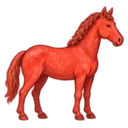
The red horse and great sword directly reflect the verse. Distant opposing groups suggest the loss of peace and mutual slaughter without depicting wounds or death. The rider’s appearance, clothing, rocky valley, settlement and clouded sky are imaginative choices, not details specified by the source or historical likenesses.
The black horse and the scales held by its rider depict the central sight in Revelation 6:5. The rider's appearance, clothing, rocky landscape and warm light are imaginative staging. The opening of the third seal and the living creature's spoken summons remain offscreen; the image does not claim to depict God or Jesus.
This imaginative still life makes the proclaimed grain measures and prices visible: one wheat measure and three barley measures each have a coin beside them. The intact vessels and unspilled oil and wine recall the command not to harm them. The room, vessels, olives and grapes are artistic conventions; the scene does not depict the unseen voice or the four living creatures.
The scroll and freshly split fourth seal focus on the opening John reports. His attentive pose suggests hearing the summons; cropped wings indirectly suggest the speaking living creature without inventing its full form. The clouds, wax seals, clothing and arrangement are imaginative conventions. Christ remains outside the frame, and the next verse's horse and rider are not pictured.
The pale horse and veiled rider illustrate Death, while the following shrouded figure imaginatively represents Hades. The abandoned sword, empty basket, dry landscape and distant beasts evoke the named instruments of death without showing killings. The landscape does not map the fourth of the earth; the figures and setting are artistic conventions, not historical likenesses.
The gathered figures imaginatively represent the souls John sees beneath the altar, not an earthly execution or bodies offered on it. Their upward gazes suggest reverent trust without depicting God. The altar architecture, faces, clothing and heavenly light are artistic conventions; the verse does not specify them. The reason for their deaths is their fidelity to God's word and their testimony. Human artwork review remains pending.
The gathered figures imaginatively visualize the slain faithful making their urgent appeal for justice. Their open mouths and lifted hands convey the loud cry; the altar supplies visionary context. Their unharmed appearance does not depict their killing. The warm light suggests a heavenly setting without portraying God. The verse asks for judgment and vengeance for shed blood; the image shows the petition, not its fulfillment.
The white robes and seated companionship picture the gift and rest described in the verse. The figures, stone steps, foliage and luminous setting are imaginative conventions for the vision, not specified heavenly architecture or historical likenesses. God and the speaker remain outside the picture. The future deaths of their fellow servants are not shown; the quiet upward attention suggests patient waiting rather than an end to suffering.
This imaginative landscape gathers the earthquake and celestial signs of John's vision into one view. The black sun evokes the comparison to hair sackcloth; the fully red moon evokes blood by color. The setting and fissure are artistic choices, not a specified location. The sixth seal's opening is outside the frame, and Christ is not depicted.
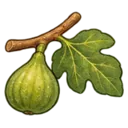
This imaginative landscape brings the falling stars and the verse's fig-tree comparison into one continuous view. The falling green figs echo the descending lights without identifying the stars as fruit or claiming a scientific mechanism. The terrain and tree are artistic choices, not a specified location.
The curling sky visualizes the verse's scroll comparison; displaced cliffs and islands amid dust and turbulent water evoke mountains and islands moved from their places. The coastline, colors and luminous opening are imaginative visual choices, not a geographic reconstruction or a depiction of God.
The imagined ancient clothing distinguishes earthly rank while the shared cave and anxious postures show rulers, commanders and ordinary people hiding together. Clothing alone cannot establish who is enslaved or free. These representative figures and this mountain setting are imaginative conventions, not identified individuals or an exact location. God and Jesus are not depicted.
This imaginative mountain scene pictures the terrified appeal to the mountains and rocks. The figures plead and hide, but no rocks are shown falling on them: the verse records their request. The landscape, clothing and faces are imaginative. Warm light and dark clouds create a solemn atmosphere; God and the Lamb remain unseen.
The small, crouching figures beneath the overwhelming sky imaginatively express human helplessness before the great day of wrath and the question of who can stand. These people, rocks and clouds are illustrative choices, not details specified in this verse. The golden light conveys solemn majesty, not an answer or an escape from judgment; God and Jesus are not depicted.