The couple and exchange of coins visualize Ananias and Sapphira selling property. The buyer, cultivated parcel, clothing and transaction gestures are imaginative period details, not specified in the verse. This image illustrates the sale alone, without depicting the later deception or judgment.
The offered coins illustrate the portion laid at the apostles' feet; the separate purse imaginatively suggests the proceeds kept back. The verse says his wife knew, but does not place her at this gathering, so she is not shown. Faces, clothing, coin amounts and courtyard details are imaginative conventions, not historical likenesses or exact reconstructions. Human artwork review remains pending.
Peter's questioning gesture, Ananias's lowered gaze and guarded purse, and the coins imaginatively connect the confrontation with withheld proceeds. Satan and the Holy Spirit remain unseen; the verse explanation preserves Peter's accusation of lying to the Holy Spirit under Satan's influence. Faces, clothing, room and gestures are imaginative conventions, not historical likenesses or an exact reconstruction.
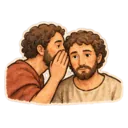
This imagined rebuke connects sale proceeds with an inward decision through coins and a hand near the chest. It does not imply that surrendering all the money was compulsory: the verse says it remained under his authority. The solemn exchange suggests human confrontation; the words establish that the lie was to God, who is not pictured. The faces, clothing and room are artistic conventions.
The fallen man represents Ananias after he fell and breathed his last; the listeners' shocked expressions visualize the great fear described in the verse. The room, faces, clothing and arrangement are imaginative conventions, not historical likenesses or archaeological claims. No supernatural mechanism of death is pictured.
This imaginative scene selects the carrying-out stage of the verse's sequence; the verse also says the younger men buried him. Their number, clothes, wooden bier and rock-cut burial setting are artistic choices, not details specified by this verse or claims of historical certainty. The fully covered body preserves the sober burial meaning without graphic detail.
Her step across the threshold pictures "came in"; her unalarmed expression suggests that she does not yet know what happened. The room, clothing, appearance, and daylight are imaginative conventions. The image does not measure the roughly three-hour interval or depict the earlier event. Artwork remains pending human review.
The imagined room, clothing, and faces frame Peter's question and the woman's affirmative answer. Coins suggest the amount discussed; their number does not establish a price. The verse does not specify this setting or a money exchange. The scene shows neither the land sale nor later events.
The scene imagines Peter delivering his warning while the woman is still standing. The two men and their visible feet at the doorway connect to his declaration that those who buried her husband will carry her out too. The faces, clothing and room are imaginative staging. The image depicts neither the Spirit of the Lord nor her subsequent death.
This imaginative scene selects the verse's carrying-out and burial, rather than depicting the collapse. The covered body represents the woman who died; the neighboring mound evokes her burial beside her husband. The four bearers, their clothing, landscape, and grave layout are artistic choices, not details specified by the verse or historical reconstructions.
The imagined courtyard gathering visualizes the shared great fear named in the verse through anxious faces, hands held to chests and bowed heads. The people and building are illustrative conventions; the verse does not specify their appearance or this arrangement. The scene shows the response of hearers without reenacting the events they heard about.
The shared gathering evokes being together with one accord in Solomon's Colonnade. The apostles' gestures of prayer and care suggest their ministry amid the many signs and wonders, without identifying a particular miracle that this verse does not describe. The individual gestures, faces, clothing and architecture are imaginative details, not documented likenesses or an exact reconstruction.
The open paving and the watching group's reserved postures imagine the verse's contrast: people esteem the believers but do not dare join them. Faces, garments, gestures and the courtyard setting are artistic conventions; the verse does not specify these details. No one is shown crossing the gap to join.
The welcoming men and women imaginatively express the increasing multitudes of believers being added to the Lord. Their faces, greetings, clothing and courtyard are illustrative choices, not details specified by this verse or verified historical likenesses. Jesus is not depicted. Artwork remains pending human review.
The beds, carried mat and ordinary cast shadow illustrate the people bringing the sick into the streets, hoping that Peter's shadow might fall on them. The faces, garments and Jerusalem street are imaginative conventions, not historical likenesses or archaeological certainty. No completed healing is depicted; the scene centers on expectant people and compassionate care.
The arriving litter and grateful, restored people imaginatively connect the bringing of sufferers with the verse's statement that all were healed. Peaceful faces suggest relief from torment without depicting unclean spirits or equating all illness with them. The anonymous figures, gestures and Jerusalem architecture are illustrative conventions; the verse does not specify these people, poses or a visible healing mechanism.
The central man's rising posture illustrates the high priest rising up; the tense faces and gestures imagine the jealousy shared by him and his Sadducean companions. The court, clothing and appearances are artistic conventions, not details specified by the verse or verified historical likenesses.
The escorting hands and jail entrance picture the verse's two actions: seizing the apostles and putting them in public custody. The faces, clothing, architecture and daylight are imaginative details, not historical likenesses or a verified reconstruction. The scene depicts confinement, without adding the later release.
The open prison doors, nighttime setting, and messenger addressing the emerging men visualize the release and speech in the verse. The faces, radiance, clothing, architecture, and visible group size are imaginative details. The messenger represents the angel, not God or Jesus; no words from the following verse are pictured.
This imaginative scene visualizes the teaching commanded in Acts 5:20 rather than an event reported as already happening in that verse. The two speakers, listeners, clothing, and temple architecture are artistic choices, not identified portraits or an archaeological reconstruction. Their speaking and listening postures evoke sharing all the words of 'this Life'; that life is not pictured as a literal object.
The scene imaginatively focuses on the apostles' teaching in the temple at dawn, the verse's first action. The council gathering and the dispatch to the prison are outside the frame. Faces, garments, listeners and temple architecture are illustrative conventions, not historical likenesses or an archaeological reconstruction. Artwork remains pending human review.
The imagined officers and empty chamber illustrate their failure to find the prisoners. The outward gesture suggests their turn back to report; the report itself falls beyond this pictured moment. Clothing, faces and architecture are imaginative conventions, not historical likenesses or archaeological claims.
The illustration imagines the discovery described in the report, after the doors are opened. Intact doors and stationed guards recall the prison's security, while the empty chamber shows that no one was found inside. Architecture, clothing, faces and morning light are imaginative conventions; the image does not depict the escape or claim an exact historical reconstruction.
An imaginative temple-portico grouping gives visible form to the officials' perplexity after hearing the words. Open hands, furrowed brows and a thoughtful pose suggest their question about what would follow. The number of priests, faces, garments and architecture are artistic choices, not details supplied by this verse or claims of historical likeness. Artwork remains pending human review.
The messenger and listeners give form to the report, while the teaching group visualizes what he announces. Their appearance, the architecture, and the shared view across the court are imaginative choices, not specified by the verse or established historical likenesses. Prison belongs to the reported prior circumstance; no escape is depicted.
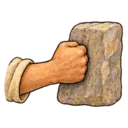
The open-handed escort and unbound men imagine the captain bringing the apostles without force. The watchful crowd and wary glances suggest why the officers feared being stoned; no stoning is shown. Faces, garments and temple architecture are imaginative conventions, not known likenesses or an exact reconstruction.
The standing group represents the apostles brought before the council; the seated high priest extends his hand as he questions them. The faces, clothing, chamber and gestures are imaginative conventions, not historical likenesses or an archaeological reconstruction. Their composed listening serves the hearing described here without inventing the question, a reply or a punishment.
The council chamber, faces, clothing and gestures are imaginative conventions, not verified likenesses or architecture. The seated speaker's open hand stages the rebuke; the standing apostles listen, and the city beyond recalls Jerusalem filled with their teaching. The accusation about this man's blood concerns responsibility for Jesus' death, so Jesus and literal blood are not shown.
Peter's open hand and the apostles standing together imagine their shared answer that obedience to God takes precedence over human commands. The council room, garments, faces and gestures are artistic reconstruction, not details specified in this verse or verified historical likenesses. God is not depicted.
This imaginative landscape joins the verse's remembrance of Jesus being killed on the wood with its proclamation that God raised Him. The empty cross recalls the execution; the open, empty tomb evokes resurrection. The verse does not describe a tomb or place it beside the cross. No simultaneous scene or exact historical location is claimed, and neither God nor Jesus is depicted.
This imaginative courtyard meditation evokes the repentance and forgiveness given to Israel. The bowed man and open hands suggest humble reception; light high above suggests exaltation and merciful hope. It does not depict a recorded conversion or show Jesus or God. The gestures do not earn the gifts, and the people and setting are imaginative conventions.
This imaginative council-hall gathering gives a setting to the speakers' testimony. Their calm, open gestures suggest truthful witness and obedience to God. The Holy Spirit also bears witness and is God's gift to those who obey Him; neither God nor the Spirit is given a visible form. Ordinary daylight supplies warmth, not a divine symbol. The faces, clothing and architecture are imaginative conventions, not historical likenesses or archaeological certainty.
Gamaliel stands and gestures toward the exit to picture his order that the men be put outside briefly. The departing group imagines the immediate carrying out of that command; the verse itself states the order. His appearance, the attendant, clothing and council chamber are imaginative reconstructions, not historical likenesses or archaeological certainties. The scene does not add his later counsel.
This imaginative council scene pictures the warning through a speaker's open palm and attentive listeners. The men whose treatment is being discussed remain outside the scene. Faces, clothing and architecture are artistic conventions, not verified historical likenesses or an exact reconstruction.
The separating paths and empty gathering place imaginatively picture the dispersal after Theudas was killed. Theudas and his death are not shown. These men represent part of the approximately four hundred followers; the landscape, faces, and clothing are artistic conventions, not a documented location or likeness. The scene illustrates the recalled event rather than placing it inside the council.
The imagined village paths visualize the followers dispersing after Judas's death. The empty center suggests their lost rallying point. Judas and his death are not shown; the verse does not specify how he died. Faces, clothing and buildings are illustrative conventions.
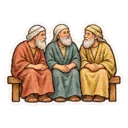
The elder's open palm and the listeners' thoughtful faces imaginatively express the appeal to step back and leave the men alone. The council setting, faces, clothing, and architecture are artistic conventions. No collapse or release is shown: the verse speaks conditionally about the failure of a plan or work of human origin.
This imaginative council scene focuses on the verse's closing response: the hearers are persuaded. Open hands and attentive faces suggest restraint after the warning that they might be fighting against God. The conditional divine origin of the work remains unseen. Faces, clothing and architecture are artistic conventions, not historical likenesses or archaeological claims. Human artwork review remains pending.
The warning gesture and open doorway connect the command with the apostles' release. Guarded postures and a companion's support suggest the beating without showing the assault; the resting scourge recalls it indirectly. Faces, dress, architecture and the implement are imaginative conventions, not historical identifications; the verse does not specify the instrument. Jesus is named in the command but is not depicted.
The departing group and their shared joy picture the verse's rejoicing after dishonor for the Name. The doorway stands imaginatively for the council they have left; warm daylight and a supportive gesture convey gratitude and fellowship. Faces, clothing and architecture are artistic conventions, not known likenesses or an exact reconstruction. The scene leaves the preceding mistreatment offstage. Artwork remains pending human review.
An imagined household gathering gives concrete form to the apostles' continuing teaching and proclamation that Jesus is the Messiah. The distant temple recalls the verse's other setting; a single moment suggests an ongoing daily ministry. Faces, clothing and architecture are artistic conventions, not documented likenesses or a verified reconstruction. Jesus is not depicted.
 Ἀνανίας Ananias
 Σαπφείρῃ Sapphira