An imaginative rendering of the wedding in Cana of Galilee on the third day, with Jesus' mother present, as described in John 2:1. The figures and setting are imagined; the verse's English word glosses come from the Berean Interlinear Bible.
An imaginative depiction of Jesus and His disciples being invited to the wedding in John 2:2. The greeting, setting, and appearance of the people are artistic choices. The English token glosses are from the Berean Interlinear Bible, not GBT-approved glosses.
An imaginative depiction of John 2:3, when the wine has run out and Jesus' mother tells him that they have no wine. The setting and gestures are artistic details. The source verse uses Nestle 1904 Greek and Berean Interlinear English token glosses; those glosses are not a Global Bible Tools approval.
An imaginative depiction of Jesus speaking to his mother in John 2:4, where he addresses her and says that his hour has not yet come. The gestures and visual details are imagined within the Cana wedding setting. The source's English word glosses are from the Berean Interlinear.
This imaginative scene relates to John 2:5, where Jesus' mother tells the servants to do whatever he says. The appearance of the people and setting is an artistic interpretation.
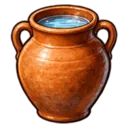
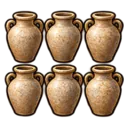
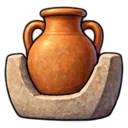
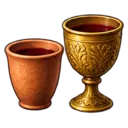
An imaginative scene inspired by John 2:6, which describes six stone water jars for the Jewish custom of purification, each with room for two or three metretes. The courtyard, basin, cloth, and decorative details are imagined. The chapter's English token glosses are from the Berean Interlinear Bible, not GBT-approved glosses.
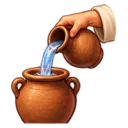
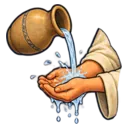
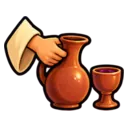
An imaginative scene inspired by John 2:7: Jesus tells them to fill the jars with water, and they fill them to the brim. The six stone jars come from the preceding verse, John 2:6; the courtyard and figures are artistic interpretation. The English word glosses are from the Berean Interlinear Bible.
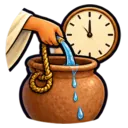
An imaginative depiction of John 2:8: Jesus tells them to draw some out and carry it to the master of the feast, and they carry it. The scene's appearance and arrangement are artistic choices. The verse's English token glosses are from the Berean Interlinear Bible.
This imaginative scene reflects John 2:9: after tasting water that had become wine, the master of the feast, unaware of its source, calls the bridegroom, while the servants who drew the water know. The setting, appearances, gestures, and moment are artistic choices. The chapter's English word glosses are from the Berean Interlinear and are not a Global Bible Tools approval.
An imaginative portrayal of John 2:10: the master of the feast tells the bridegroom he has kept the good wine until now, although good wine is usually served first and inferior wine after guests have drunk freely. John 2:9 identifies the speaker and the bridegroom. The setting and appearances are imagined. The chapter's English word glosses are uncurated Berean Interlinear glosses, not GBT-approved glosses.
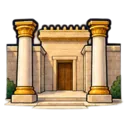
This imaginative scene places Jesus and his disciples at the wedding in Cana, with the stone jars and wine from John 2:1–10. John 2:11 describes this first sign as revealing his glory and says his disciples believed in him. The chapter's English word glosses are from the Berean Interlinear Bible.
John 2:12 tells that Jesus went down to Capernaum with His mother, His brothers, and His disciples, and that they stayed there not many days. This imaginative scene depicts their arrival; the landscape, appearances, and number of companions are artistic choices. The chapter's English word glosses are from the Berean Interlinear and are not a Global Bible Tools approval.
John 2:13 describes Passover drawing near and Jesus going up to Jerusalem. This is an imaginative depiction; the road, travelers, and appearance of the city are illustrative details. The token glosses are from the Berean Interlinear.
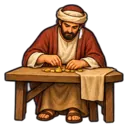
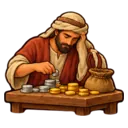
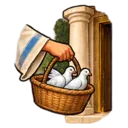
An imaginative depiction of Jesus finding sellers of oxen, sheep, and doves and seated money changers in the temple, as described in John 2:14 and its Berean Interlinear word glosses.
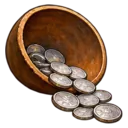
This imaginative scene depicts John 2:15, where Jesus drives sheep and oxen from the temple with a whip made of cords, spills the money changers' coins, and overturns their tables. The English word glosses are from the Berean Interlinear and are not a GBT approval.
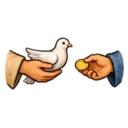
This is an imaginative portrayal of Jesus telling the dove sellers to take these things away and not make his Father's house a house of trade, informed by the chapter's Berean Interlinear Bible token glosses.
This imaginative scene places the disciples' remembrance of the written words about zeal for God's house in the setting of Jesus clearing the temple. Their gestures and expressions are imagined.
An imaginative portrayal of John 2:18, where the Jewish people ask Jesus what sign He shows them for doing these things. The temple courtyard and overturned table recall the preceding verses; the visual details are imagined. The English word glosses are from the Berean Interlinear Bible.
An imaginative depiction of Jesus answering in the temple. The three pools of light suggest his words about raising the temple in three days; John 2:21 identifies the temple as his body.
This imagined courtyard conversation reflects John 2:20's question about the temple built over forty-six years and whether Jesus would raise it in three days. The gestures and setting are artistic interpretation, based on the verse and its Berean Interlinear word glosses.
This imaginative scene suggests John 2:21's meaning: Jesus was speaking about the temple of his body. The verse does not specify this gesture or the arrangement shown.
This imaginative scene pictures the disciples recalling Jesus' words and believing Scripture after he was raised from the dead. The garden gathering and scroll are artistic choices, not details specified in John 2:22.
An imaginative scene for John 2:23: during the Passover feast in Jerusalem, many believed in Jesus' name as they saw the signs he was doing. The glow is an artistic suggestion; the verse does not identify the signs.
This imaginative scene suggests Jesus' discernment and reserve as John 2:24 says He did not entrust Himself to them because He knew all people. The chapter's English word glosses are from the Berean Interlinear Bible, not a GBT approval.
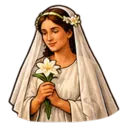 mother, specifically the mother of Jesus
 at that place
 ἡμέρᾳ day
 Third in a sequence of days
 a wedding celebration
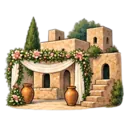 Cana, the Galilean place where the wedding took place